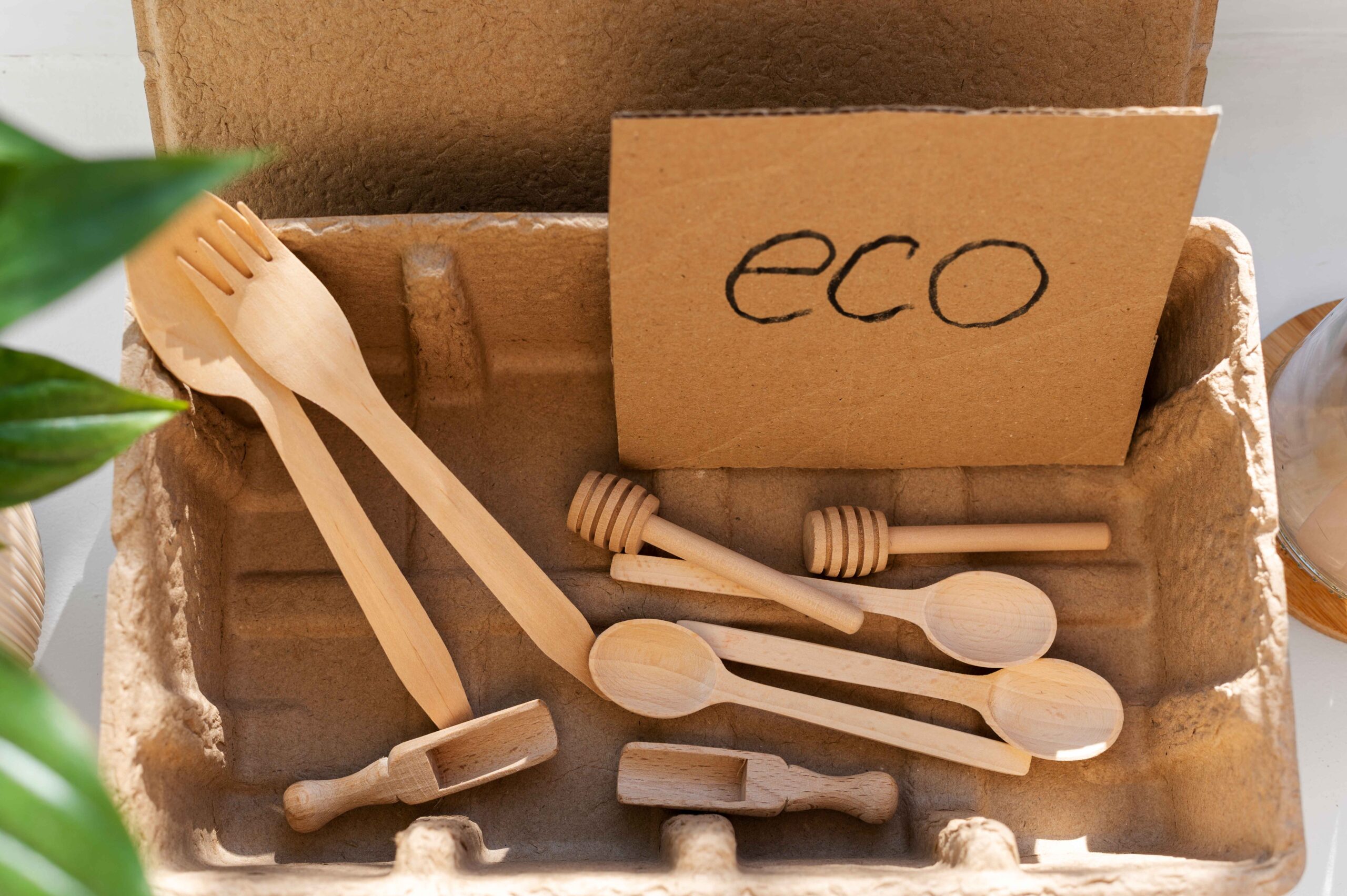
Picture this: you’re grabbing your morning coffee, and that simple cardboard lid keeping your drink hot isn’t just convenient—it’s a quiet hero in the fight against plastic waste. Pappedeckel, the German gem meaning “cardboard lid” or “paperboard cover,” steps up as a game-changer in sustainable packaging, blending everyday utility with planet-saving smarts. From beer coasters in bustling Bavarian pubs to custom covers for artisanal jars, pappedeckel delivers lightweight protection without the environmental guilt.
In 2025, pappedeckel shines brighter than ever, popping up in cafes, homes, and industries worldwide as consumers demand greener alternatives. YouTube creators rave about its versatility in DIY projects, while LinkedIn pros highlight its role in cutting corporate carbon footprints. This unassuming innovation proves small swaps lead to massive impact, making pappedeckel a must-know for anyone chasing eco-conscious living.
What Exactly is Pappedeckel?
Pappedeckel breaks down simply: “Pappe” for cardboard and “Deckel” for lid, creating a term that’s all about practical, paper-based covers. Think disposable lids for to-go cups, flat coasters under frothy beers, or protective layers in shipping boxes—these keep spills at bay and contents fresh. Unlike bulky plastic options, pappedeckel stays light, stackable, and fully biodegradable, earning fans across Europe and beyond.
Quora threads buzz with users sharing how pappedeckel fits seamlessly into daily routines, from sealing homemade jams to crafting kid-friendly art. Its customizable shapes and prints make it a favorite for brands wanting eco-branded packaging that doesn’t scream “greenwashing.” In one lively discussion, folks debate its Bavarian roots, tying pappedeckel to pub culture where coasters double as drink tallies.

What sets pappedeckel apart? It’s not flashy, but its renewability from wood pulp means endless recycling cycles without toxic buildup. YouTube unboxings show it holding up against heat and moisture better than expected, proving reliability meets responsibility. For businesses, pappedeckel slashes shipping weights, trimming fuel costs and emissions right off the bat.
The Fascinating History of Pappedeckel
Pappedeckel’s story kicks off in late 19th-century Germany, born from the need to shield beer glasses from flies and foam in rowdy taverns. Invented around the 1880s as “bierdeckel,” these pressed paper mats evolved into full-fledged lids amid rising beer culture, protecting tables and tracking tabs with scribbled notes. By the 20th century, pappedeckel expanded to food packaging as plastic boomed—but eco-pushback revived it.
Fast-forward to post-WWII Europe, where resource scarcity spotlighted cardboard’s smarts. German factories scaled pappedeckel for everything from coffee sleeves to jar seals, influencing global shifts. LinkedIn posts from packaging vets recall how ’90s sustainability talks propelled it, with brands like cafes ditching plastic for pappedeckel to woo green shoppers. Today, it’s a nod to tradition meeting modern needs.
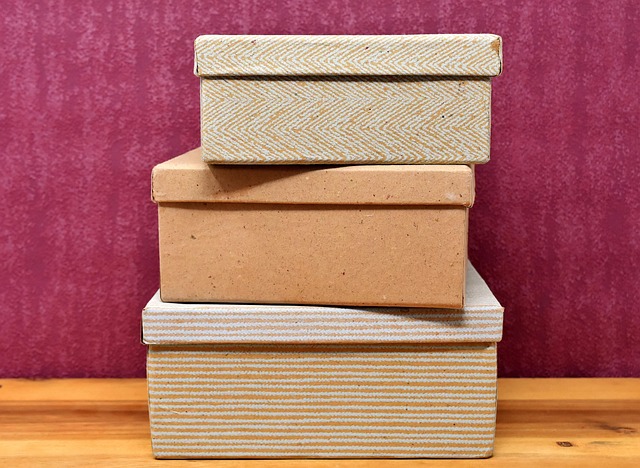
YouTube history channels dive deep, linking pappedeckel to cultural icons like Oktoberfest, where millions of coasters get tossed yearly—but now recycled en masse. Its journey from pub staple to global eco-star shows resilience, adapting to trends like zero-waste events. No wonder collectors hunt vintage pappedeckel for their quirky brewery logos and faded ads.
Everyday Uses of Pappedeckel You Need to Try
Grab a pappedeckel for your next coffee run—its snug fit locks in heat while sipping stays spill-free, perfect for commuters. In homes, it seals leftovers or crafts quick pot lids, keeping flavors locked without plastic wrap. Cafes love how pappedeckel stacks neatly, cutting storage woes and appealing to eco-clients who snap pics for social proof.
Beer lovers, rejoice: pappedeckel coasters absorb condensation like champs, saving tabletops from rings while serving as impromptu notepads. Quora answers glow about DIY hacks, like turning extras into seed starters or party coasters with custom stamps. From takeout sauces to spice jars, pappedeckel handles it all with grease-resistant coatings for real-world toughness.
Industries swear by pappedeckel for e-commerce padding—lightweight dividers prevent scratches without foam fillers. YouTube tutorials show food trucks using printed versions for branding, boosting recall amid street eats. Its sheer versatility makes pappedeckel a staple nobody saw coming but everyone needs.
Pappedeckel in Sustainable Packaging Trends
Sustainability drives pappedeckel’s 2025 surge, replacing plastic lids that clog oceans with compostable alternatives. Made from renewable pulp, it breaks down in months, slashing microplastic risks per environmental reports. Brands switching report 30% waste drops, fueling investor interest in green supply chains.
LinkedIn case studies praise pappedeckel’s low carbon footprint—producing one emits half the gases of plastic rivals. Recyclable endlessly, it fits circular economies, with mills turning scraps back into fresh stock. YouTube challenges push “pappedeckel swaps,” where viewers tally plastic savings, sparking viral eco-habits.
Global regs like EU plastic bans accelerate adoption, positioning pappedeckel as a compliance hero. From artisanal teas in Asia to U.S. craft brews, cultures embrace it for freshness plus feel-good vibes. Forward-thinkers predict pappedeckel coatings evolving for waterproofing, keeping it ahead.
Creative DIY Projects with Pappedeckel
Unleash creativity: cut pappedeckel into stencils for wall art or mini planters that biodegrade post-use. Kids craft mobiles from stamped circles, turning trash into playtime magic. YouTube hacks abound, like lamp shades from layered pieces for soft, diffused glows.
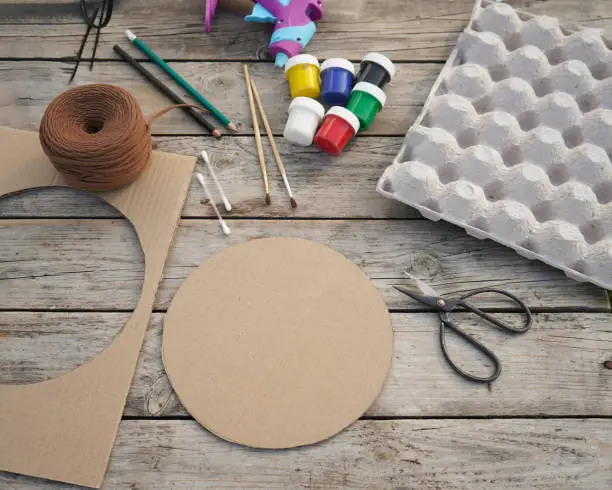
Layer pappedeckel for custom trivets—paint edges for kitchen flair that withstands hot pots. Quora shares recipe twists, using it as oven-safe covers for steaming veggies, infusing old-school charm. Party pros punch holes for confetti garlands, recyclable post-bash.
Advanced makers build models or jewelry bases, its score-and-fold ease rivaling fancy kits. Bulk buys from suppliers yield endless projects, proving pappedeckel fuels makerspaces without waste guilt. Experiment freely—its forgiving nature invites bold ideas.
More Read About: Managing Money Bizfusionworks: Ultimate Guide to Smart Financial Decisions
Pappedeckel vs. Traditional Packaging: Comparison Table
| Feature | Pappedeckel (Cardboard) | Plastic Lids | Foam Inserts |
| Biodegradability | Fully composts in 2-6 months | Takes 500+ years | Non-biodegradable |
| Cost per 1,000 Units | $15-25, scalable | $20-35 | $18-30 |
| Weight (per unit) | 2-5g, shipping savings | 8-12g | 10-15g |
| Custom Printability | High, vibrant inks | Medium | Low |
| Heat/Moisture Resistance | Good with coatings | Excellent | Poor |
This table spotlights pappedeckel’s edge in eco and cost wins, drawing from industry benchmarks.
Expert Quotes on Pappedeckel’s Impact
- “Pappedeckel isn’t just a lid; it’s a sustainable shift that businesses ignore at their peril—lightweight, recyclable, and customer-approved.” – Packaging consultant on LinkedIn.
- “From Bavarian pubs to global cafes, pappedeckel coasters protect and personalize—vintage ones are collector gold!” – History buff via YouTube.
- “Switching to pappedeckel cut our plastic use by 40%, proving eco-packaging boosts brand loyalty.” – Cafe owner on Quora.
[Image 5: Infographic of quotes overlaid on pappedeckel visuals.]
Future Trends for Pappedeckel Innovation
By 2030, expect smart pappedeckel with QR codes linking to recycling tips or AR try-ons for packaging. Nanocoatings promise waterproofing without chemicals, per tech forecasts. YouTube predicts bio-engineered fibers for strength, targeting zero-waste supply chains.
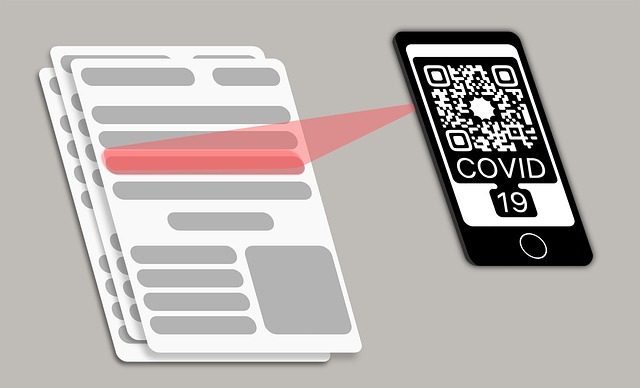
Brands eye pappedeckel for personalized e-comm, printed with buyer names for wow-factor unboxings. Sustainability mandates worldwide cement its role, with Asia leading volume growth. LinkedIn buzzes on hybrid designs blending pappedeckel with bamboo for premium feels.
Consumers drive change—viral challenges amplify demand, pressuring giants to pivot. Pappedeckel evolves from niche to norm, promising greener tomorrows through clever cardboard.
Conclusion
Pappedeckel wraps up as more than cardboard—it’s a blueprint for smarter, sustainable living that fits effortlessly into 2025’s eco-push. From pub coasters to DIY delights, its versatility shines, backed by real wins in waste reduction and cost savings. As trends lean greener, embracing pappedeckel means joining a movement where small lids spark big change, proving simplicity conquers complexity every time. Dive in, swap out plastics, and watch your world lighten up—literally.
FAQ SECTION:
What makes pappedeckel a top eco-friendly choice?
Pappedeckel tops lists for its full biodegradability and renewability, decomposing fast without toxins unlike plastics. Businesses love its recyclability, cutting landfill loads while customizing easily for branding. YouTube tests confirm it holds heat well, making pappedeckel ideal for daily green swaps.
How do I source quality pappedeckel for my business?
Hunt suppliers via LinkedIn directories or platforms like Alibaba for bulk eco-cardboard. Check certifications for FSC-sourced pulp to ensure true sustainability. Start small with samples—Quora recommends testing moisture resistance for your niche, scaling once pappedeckel proves fit.
Can pappedeckel handle hot drinks without leaking?
Yes, coated pappedeckel versions resist steam and drips, perfect for coffees up to 90°C. User reviews on YouTube praise sip-hole designs for mess-free commutes. For extra security, double-layer it—pappedeckel adapts without compromising eco creds.
Is pappedeckel suitable for food-safe packaging?
Absolutely, food-grade pappedeckel meets standards with non-toxic inks and barriers against grease. It’s stellar for jars, snacks, or trays, preserving freshness naturally. Quora chefs endorse it for steaming, highlighting pappedeckel’s odor-free reliability.
What’s the cost difference of pappedeckel over plastic?
Pappedeckel runs 20-30% cheaper long-term thanks to lighter shipping and recycling perks. Initial buys hover low, with volume discounts sweetening deals. Per industry chats, pappedeckel ROI hits fast via customer loyalty and compliance savings
About the Author